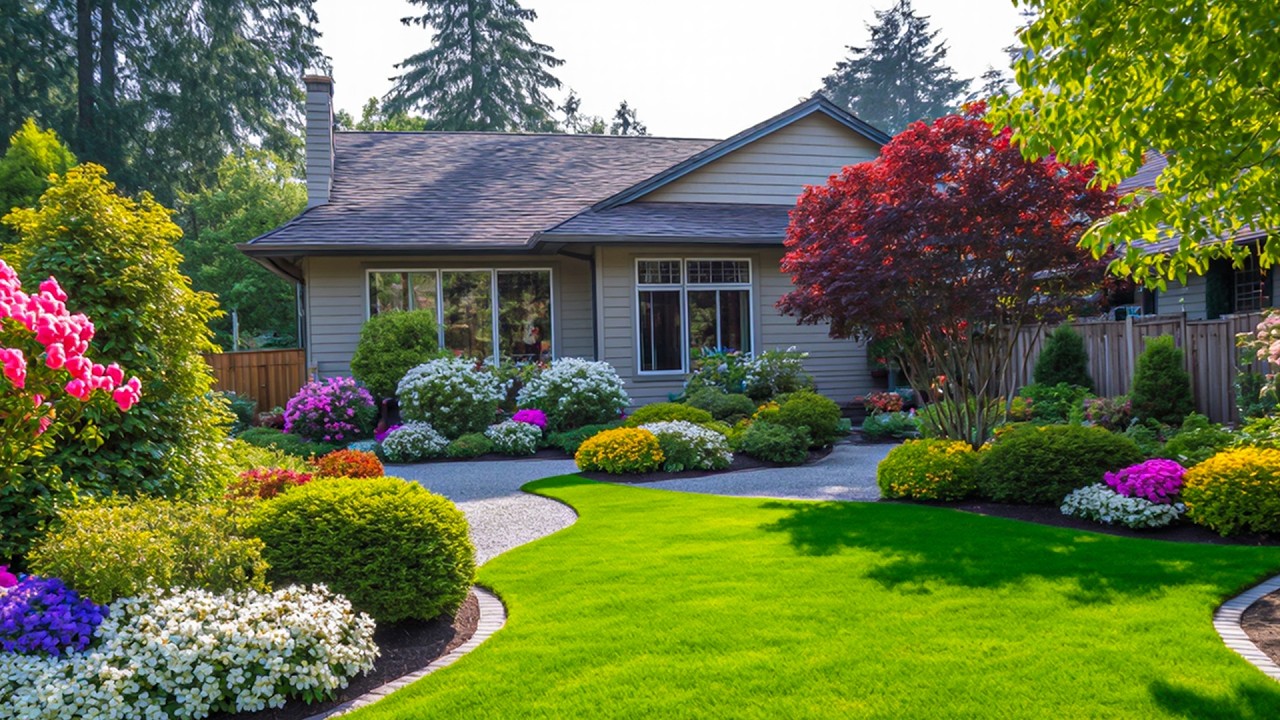
Plantings, Beds & Lawns
That Actually Take.
Trees, shrubs, perennial beds, sod, mulch, and the grading underneath it all — planned around Wisconsin winters and how water actually moves across your property. Serving River Falls and the St. Croix Valley.
- Licensed & Fully Insured
- Planted for This Climate
- Free Written Estimates
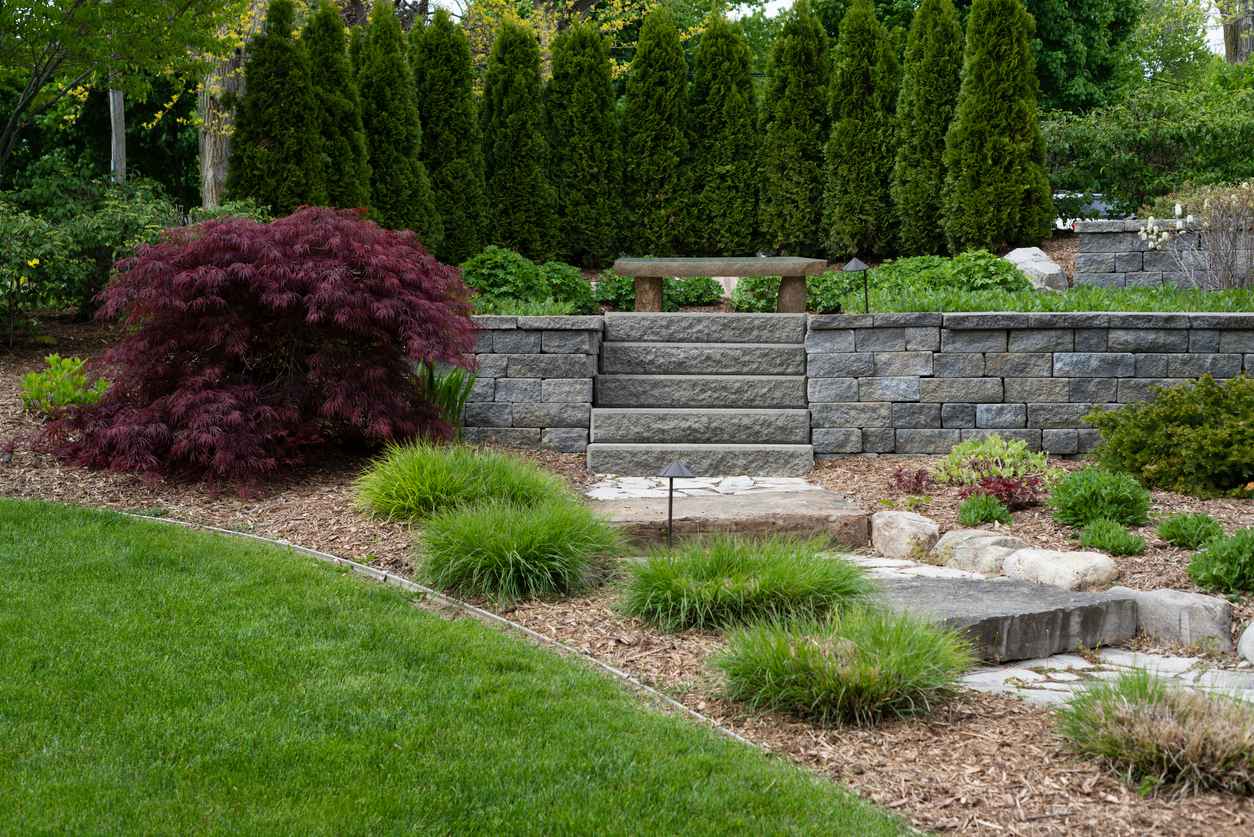
The Living Half of Your Landscape.
Softscaping is everything that grows — and everything under it that decides whether it survives. Plants fail far more often from bad soil, bad drainage, or the wrong species for the spot than from anything the homeowner did wrong afterward.
- Tree and shrub selection and installation
- Perennial and pollinator garden beds
- Sod installation and overseeding
- Mulch, rock, and decorative ground cover
- Bed edging, shaping, and definition
- Grading, topsoil, and drainage correction
- Foundation plantings and curb-appeal refreshes
Chosen for the Spot, Not the Sales Rack.
Sun exposure, soil, drainage, and how much room a plant needs at full size all get considered before anything goes in the ground — because the cheapest planting is the one you only pay for once.
Trees & Shrubs
Hardy species suited to our zone and to the specific light and drainage of the spot, planted at proper depth with the root flare where it belongs.
Perennial & Pollinator Beds
Beds designed to fill in over a few seasons and come back every year, with bloom staggered so the space isn't bare in August.
Sod & Seeding
New sod over prepared and graded topsoil, or overseeding to repair thin and worn lawn. Prep is what decides whether it knits in or dies back.
Grading & Drainage
Regrading low spots, correcting slope away from the foundation, and fixing the standing water that's been killing whatever you plant there.
Mulch, Rock & Edging
Clean bed lines, proper mulch depth, and edging that holds the shape instead of blurring into the lawn by midsummer.
Foundation & Curb Appeal
Refreshing tired, overgrown foundation plantings — the fastest visible change you can make to the front of a house.
Most Dead Plants Were Doomed Before They Went In the Ground.
When new plantings fail, it's rarely neglect. It's usually a species that was never suited to that much shade, a hole dug in compacted clay that holds water like a bucket, or a shrub planted too deep so the root flare suffocates.
Those are decisions made on install day, not care mistakes made later. Which is why we look at soil, light, and drainage before choosing anything — and why we'll sometimes tell you the plant you had in mind is wrong for that spot.
We'll also be straight about the part that's on you: new plantings need consistent water through their first season. We'll tell you exactly what that looks like before we leave.
Book a Free EstimateHonest Plant Choices and a Clear Price.
Every softscape project is scoped on site, because the right plan depends on your light, your soil, and where water already sits. Here's what's standard:
- Free on-site assessment and written, itemized quote before work begins
- Soil, light, and drainage checked before anything is specified
- Plant list in writing — species and sizes, not just “shrubs”
- Beds excavated and amended rather than planted into compacted fill
- Proper planting depth, with root flare set at grade
- Mulch to correct depth — not volcano-mounded against trunks
- Written watering and care guidance before we leave the site
- Final walkthrough with you before we call it done
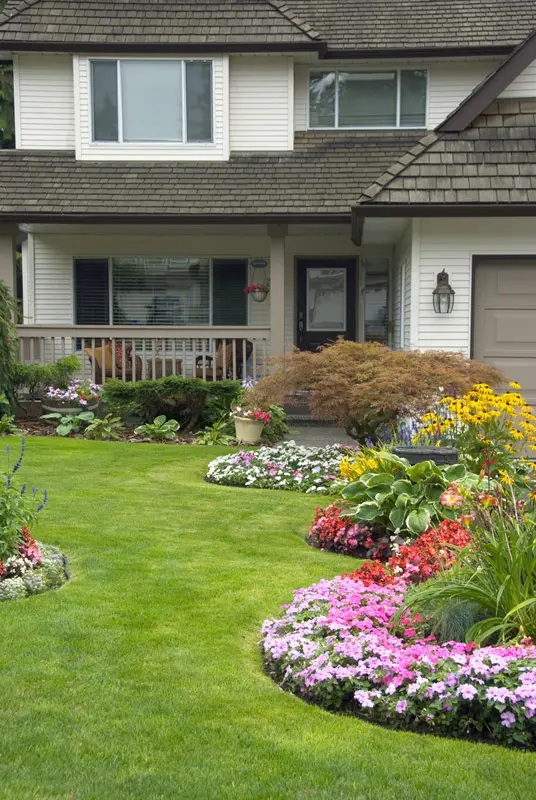
From Bare Dirt to Established Beds.
Walk It & Read the Site
We check sun exposure, soil, and where water collects, talk through the look you want, and put together a written plan and plant list — usually within one business day.
Prep the Ground
Grading corrected, beds shaped and excavated, soil amended, drainage addressed. Plants only do as well as what they're going into.
Plant, Mulch & Hand Off
Everything set at proper depth, mulched, and watered in. You get written care guidance and a walkthrough before we call it done.
Keep the Whole Project Moving.
Softscaping, Answered.
It depends on the size of the area, how much grading and soil work the site needs, and the size of the plant material you want. Bigger plants cost more up front but fill the space immediately. Every project is quoted in person with a written, itemized plant list and price.
Spring and early fall are ideal in our area — the ground is workable and plants establish before summer heat or hard frost. Summer planting works too, it just needs more consistent watering. We'll tell you honestly if waiting a few weeks would give you a better result.
Workmanship — planting depth, bed prep, drainage — is guaranteed. Plant survival depends heavily on watering after we leave, so that's handled separately. We'll go over exactly what we cover and what the watering expectations are before you sign anything.
More than most people expect, and for longer — new trees and shrubs generally need deep, consistent watering through their entire first season, not just the first couple of weeks. You'll get written guidance specific to what we planted before we leave the site.
Often, yes. Standing water usually comes down to grade or compacted soil, and both can be corrected. We'll assess it during the site visit and tell you whether it's a regrade, drain tile, or a bigger drainage project — and we won't plant into a spot we know will drown.
We handle installation — plantings, sod, beds, and grading — rather than ongoing weekly maintenance. If you need a maintenance provider after we're done, just ask and we'll point you toward someone reputable locally.
Ready for a Yard That Fills In Instead of Filling Back Up With Weeds?
Every softscape project starts with a free on-site read of your light, soil, and drainage. We'll tell you what will actually thrive there — and what it costs, in writing.
Prefer to talk? Call or text (715) 222-8730