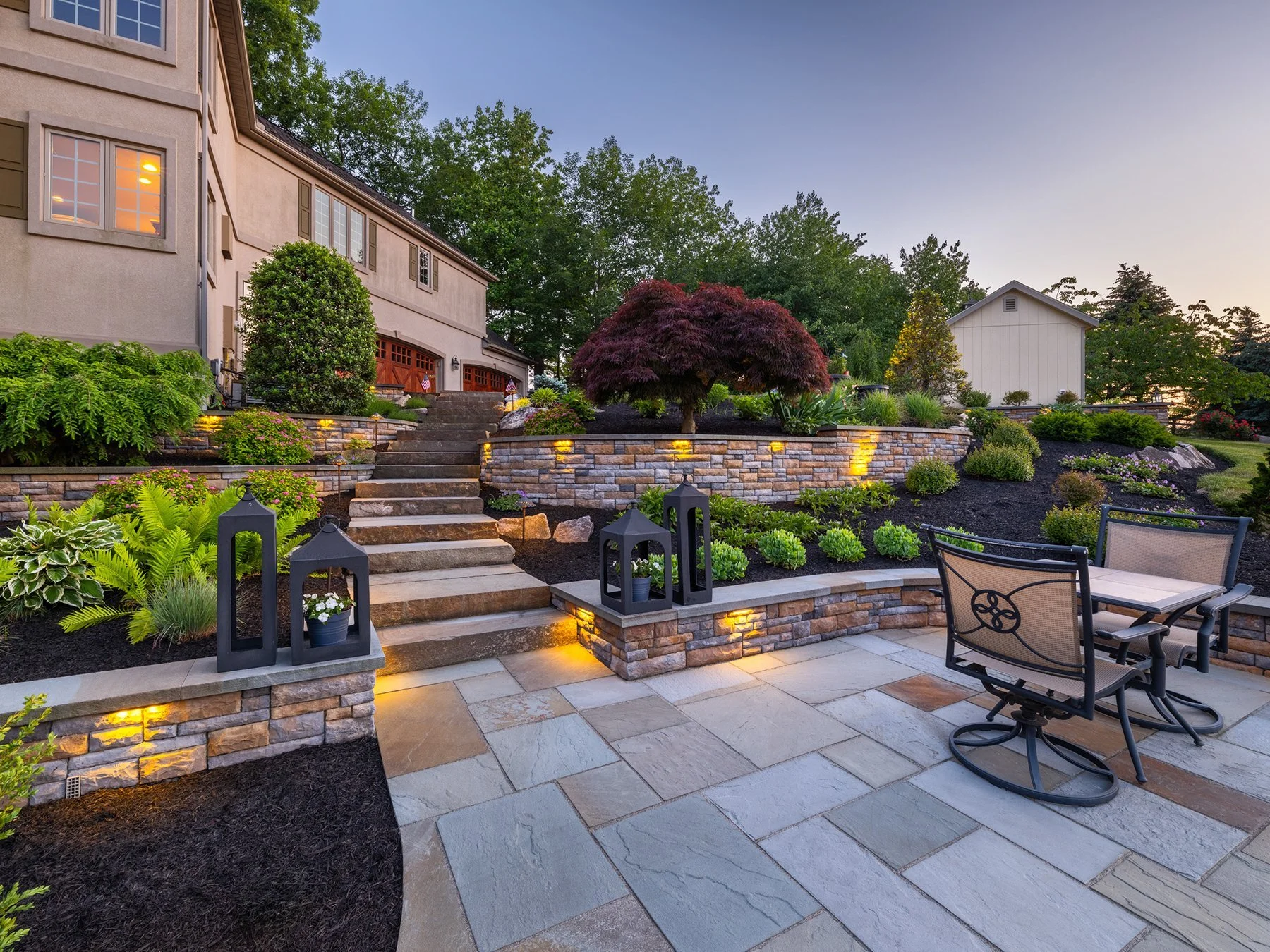
Your Whole Yard,
Designed as One.
Hardscaping and softscaping planned together instead of bolted onto each other — patios, walls, plantings, beds, sod, and the grading underneath all of it. One crew, one plan, one written price. Serving River Falls and the St. Croix Valley.
- Licensed & Fully Insured
- Drainage Planned In
- Free Written Estimates
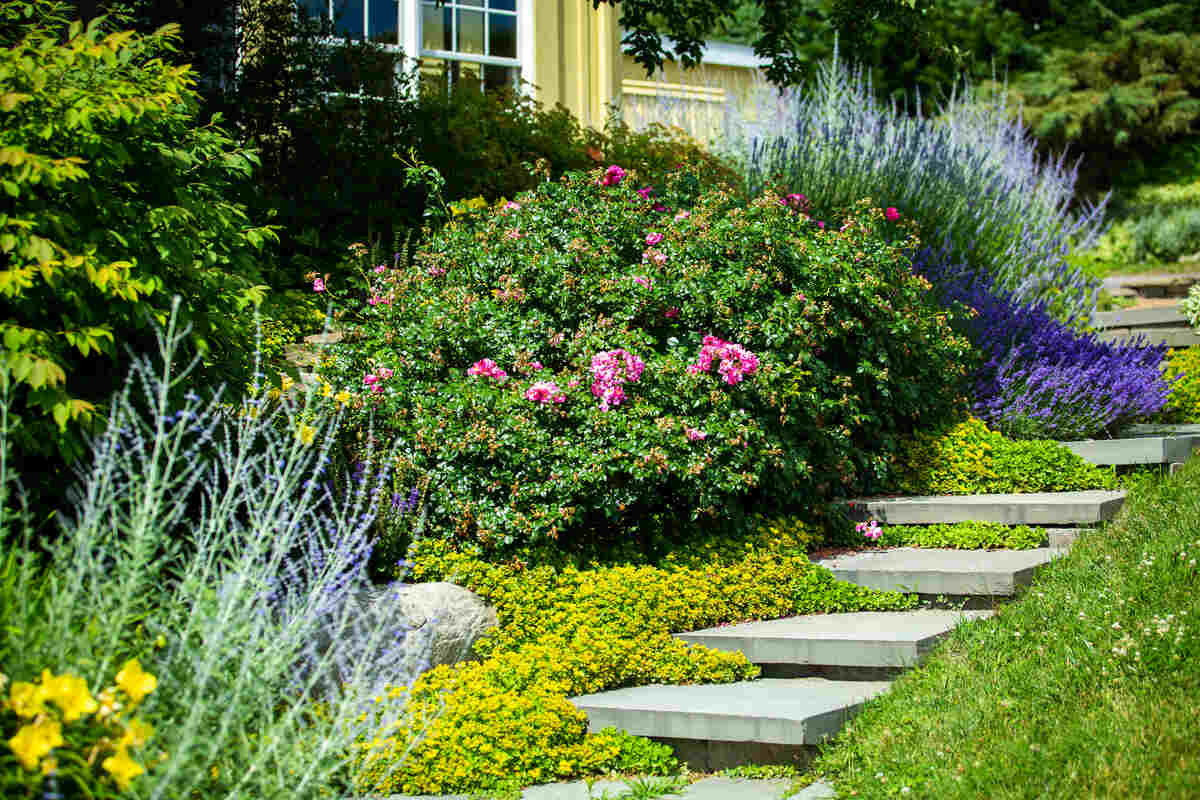
Landscaping Is Both Halves, Working Together.
Most people hire out the patio and the planting separately and hope the two ideas line up. They usually don't. Grade gets set for one and fights the other, beds end up where equipment has to drive, and the drainage nobody planned shows up in the spring.
- Full-yard landscape design and layout
- Patios, walkways, and retaining walls
- Planting plans — trees, shrubs, and perennial beds
- Sod installation, seeding, and lawn repair
- Grading, topsoil, and drainage correction
- Mulch, rock, edging, and bed definition
- Phased plans for projects built over more than one season
Hardscape and Softscape.
Every landscape is built from two things: the structure that holds it together, and the planting that makes it feel finished. We do both — which is why they end up actually fitting each other.
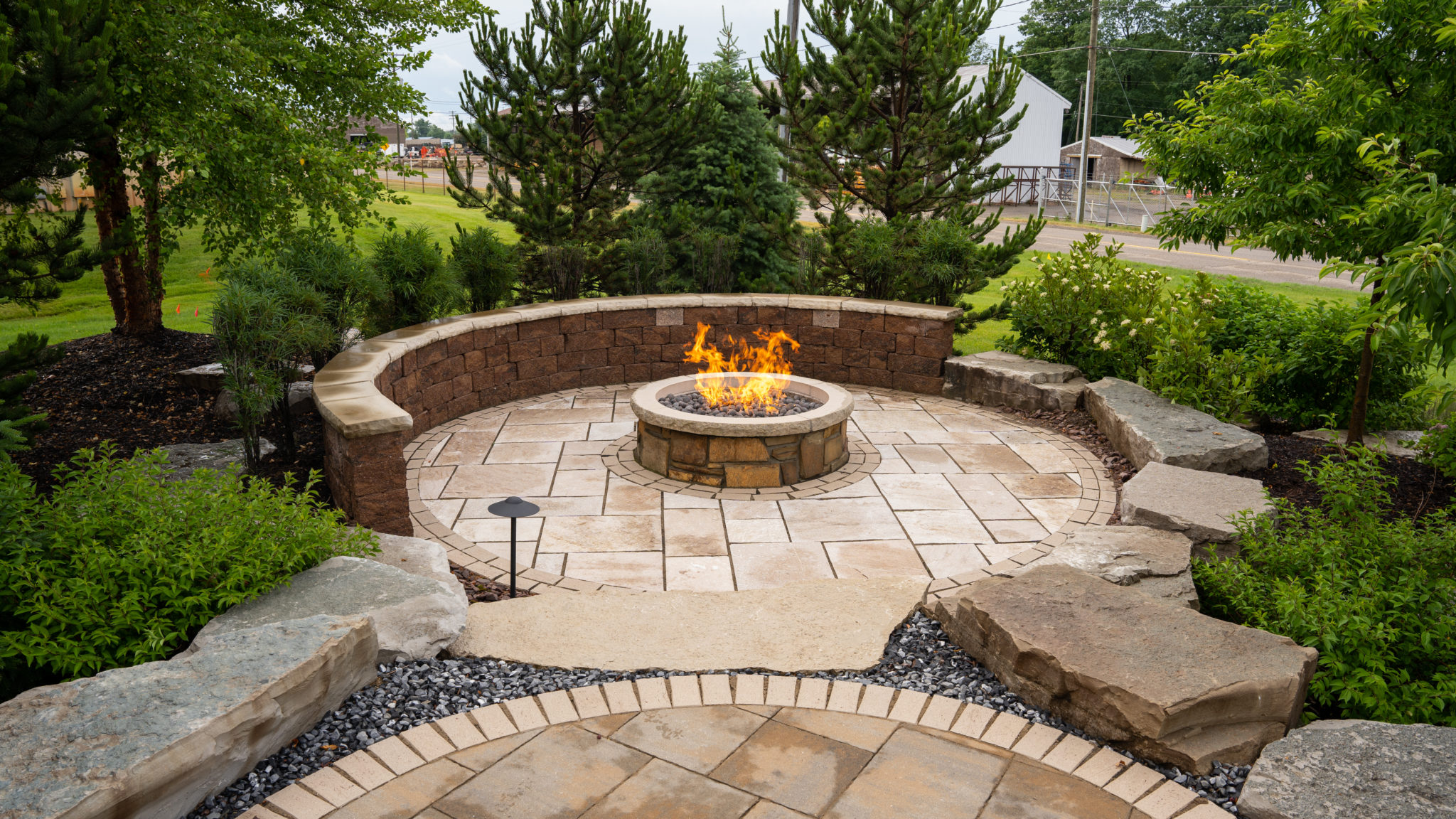 Hardscaping
The Structure
The surfaces and walls everything else gets built around — excavated and compacted properly so they hold their line through freeze-thaw.
- Paver and stone patios
- Retaining and seating walls
- Walkways, steps & fire pits
- Drainage designed in
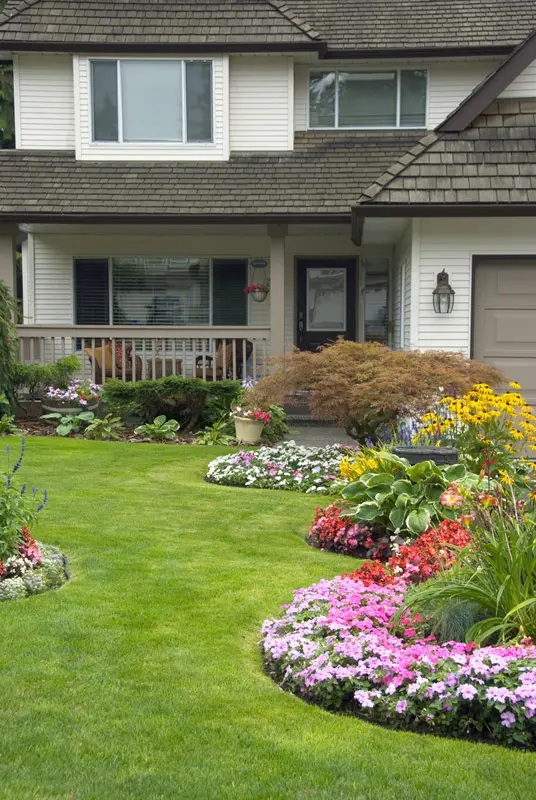 Softscaping
The Living Half
Trees, shrubs, beds, and sod chosen for the light and soil they're actually going into — not whatever was on the rack that week.
- Trees, shrubs & perennial beds
- Sod and overseeding
- Mulch, rock & bed edging
- Grading and topsoil
From One Tired Bed to the Whole Property.
Landscape projects come in every size. These are the ones we see most — and any of them can be scoped as a single build or phased across a couple of seasons.
Front Yard & Curb Appeal
Refreshing overgrown foundation plantings, redefining beds, and adding a walkway — the fastest visible change you can make to a house.
Full Backyard Builds
Patio, walls, fire pit, and planting designed as one space, with the grade and drainage sorted before anything gets installed.
New Construction Landscapes
Bare-dirt lots from builder handoff to finished yard — grading, topsoil, sod, beds, and hardscape in the right order.
Drainage & Regrading
Standing water, soggy low spots, and slope running toward the foundation. Fixed properly rather than covered with more mulch.
Slope & Grade Solutions
Terracing, retaining walls, and planting strategies for yards that are too steep to use or too steep to mow safely.
Phased Multi-Year Plans
A full plan drawn up now, built in stages as budget allows — so phase two still fits phase one instead of working around it.
Do It in the Wrong Order and You Pay for Some of It Twice.
Landscaping has an order of operations, and it's unforgiving. Grade has to be right before a patio base goes in. Drainage has to be solved before anything is planted on top of it. Heavy equipment has to be off the lawn before sod or beds go down.
When those pieces are split across different contractors on different schedules, something always gets done out of sequence — and the fix means tearing out work you already paid for.
Running both halves with one crew is mostly about avoiding that. Same plan, same schedule, same people accountable for how the pieces meet.
Book a Free EstimateOne Plan, One Price, One Crew on Site.
Every landscape project is scoped in person, because the right plan depends on your grade, your soil, and where water already goes. Here's what's standard:
- Free on-site assessment and written, itemized quote before work begins
- Grade and drainage assessed before anything is designed
- Hardscape and softscape sequenced on one schedule
- Utility locate scheduled before any excavation
- Base depth and plant list both specified in writing
- Equipment access planned so finished areas aren't driven over
- Site cleaned at the end of each work day
- Final walkthrough with you before we call it done
From Rough Idea to Finished Yard.
Walk It & Read the Site
We measure, check grade and drainage, look at sun and soil, and talk through how you actually want to use the space. You get a written, itemized plan and price.
Build the Structure
Utility locate, excavation, grading, drainage, then hardscape — patios, walls, and walkways built on a properly compacted base. The heavy work happens first, on purpose.
Plant It & Finish
Topsoil, beds, plantings, mulch, and sod go in once the equipment is off the lawn. Written care guidance and a walkthrough before we call it done.
Keep the Whole Project Moving.
Landscaping, Answered.
Hardscaping is the built structure — patios, retaining walls, walkways, steps, and fire pits. Softscaping is everything living: trees, shrubs, beds, sod, mulch, and the grading and topsoil underneath. Most full projects use both, which is why we do both.
It ranges enormously — refreshing a few beds is a different project from building a patio and regrading a whole backyard. What doesn't change is that you get a free on-site assessment and a written, itemized quote before anything starts, so you can see exactly where the money goes.
Yes, and it's often the smarter move. We'll draw the full plan up front and build it in stages as budget allows. The advantage of planning the whole thing first is that phase two fits phase one — instead of working around it.
We handle layout and plant selection as part of the estimate for typical residential projects. For very large or complex properties, a dedicated landscape architect may be worth it, and we'll tell you honestly if we think you're at that point.
Hardscape can be built through most of the season as long as the ground isn't frozen. Planting does best in spring and early fall. If you're doing both, we'll sequence them so each part lands in the right window — another reason planning them together helps.
We fix them. Standing water and slope running toward the house get corrected as part of the project, because installing hardscape or plantings over an unsolved drainage problem just buries it until spring.
Ready to Plan the Whole Yard Instead of One Piece of It?
Bring us the idea, even a rough one. We'll walk the property, tell you what's realistic, and put a full plan and price in writing — phased if that suits your budget better.
Prefer to talk? Call or text (715) 222-8730