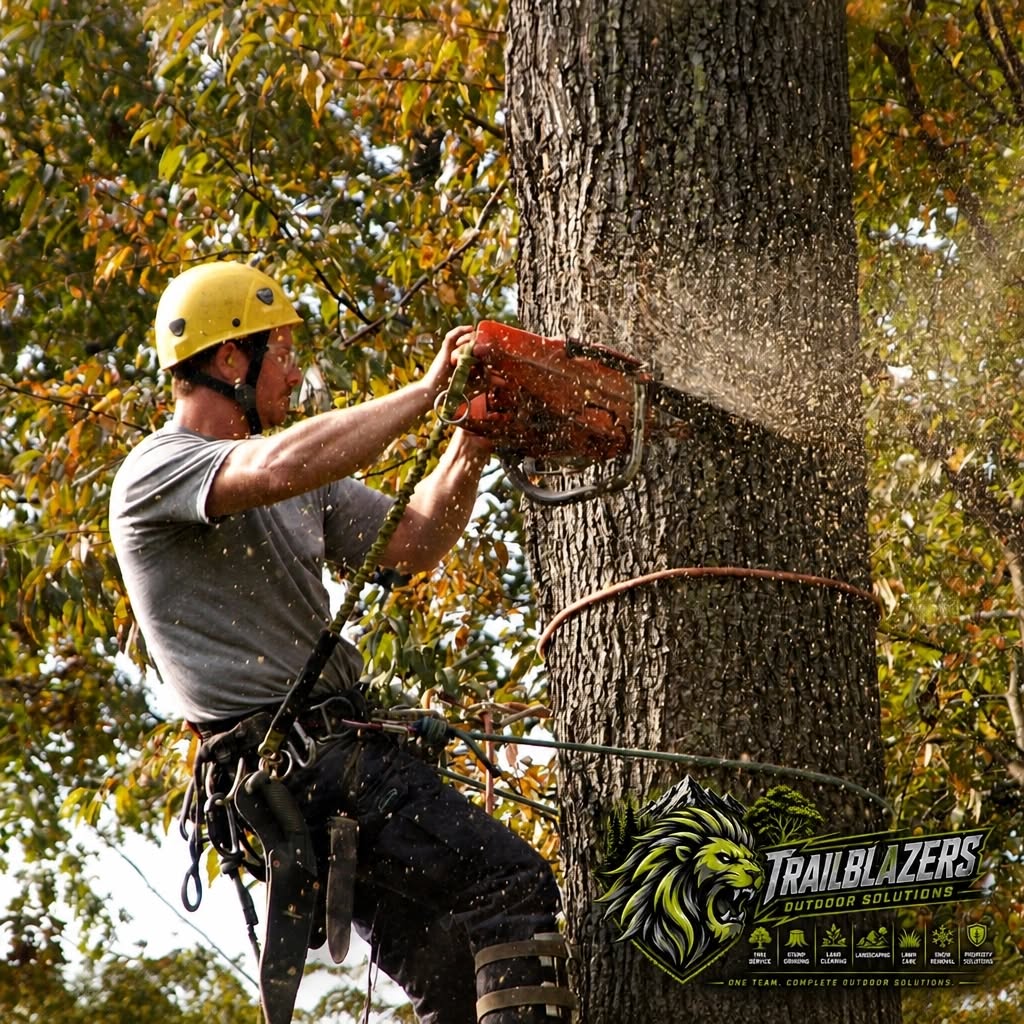
We Don't Waste
Trees.
When a tree comes down on your property, it doesn't have to become a disposal problem. We bring a portable mill right to your site and turn those logs into boards, beams, and slabs — usable lumber from the wood you already have. Serving River Falls and the St. Croix Valley.
- Portable Mill Comes to You
- Licensed & Fully Insured
- Free Estimates
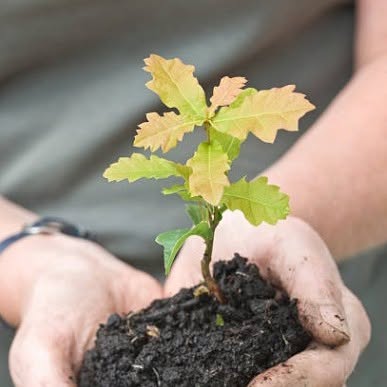
Most Companies Haul It Away. We Turn It Into Something.
Other crews throw your removed tree in a chipper or send it to a landfill. We see that differently. A walnut, oak, or pine that was shading your yard for 50 years can become the table in your dining room, the beams in your barn, or the flooring in your cabin — milled right where the tree fell.
- Portable mill comes to your property — no hauling logs anywhere
- Custom cuts: boards, beams, slabs, and dimensional lumber
- Works with trees already removed or as part of a removal job
- Multiple species milled — oak, maple, pine, walnut, ash, cherry, and more
- Reduces disposal costs — less to haul, less to pay for
Your Tree. Your Lumber. Your Project.
Tell us what you want to build and we'll cut to match. Here's what on-site milling with Trailblazers looks like:
Boards, Beams & Slabs
We cut to your specs — rough boards for siding or flooring, structural beams for builds, or wide live-edge slabs for furniture and countertops.
Custom Dimensions
Tell us what your project needs. We adjust the mill to cut the thickness, width, and length that works for your build — not just standard stock sizes.
Mill Comes to You
Our portable sawmill travels to your property. No renting equipment, no hauling heavy logs across town. We bring the operation to the wood.
Multiple Species
Oak, maple, black walnut, pine, ash, cherry, elm — Wisconsin and Minnesota grow excellent timber. We'll assess what you have and what it's best used for.
No Hidden Disposal Costs
Logs milled on-site don't have to be hauled away. You keep the lumber and skip a big chunk of the disposal cost that comes with standard removal.
Lumber for Your Next Project
Barn frames, cabin walls, deck boards, mantels, live-edge tables — property owners have used milled timber for all of it. The wood is already there.
That Tree Has Value. Most Crews Never Tell You.
A mature black walnut or white oak can be worth hundreds — sometimes thousands — of dollars in lumber. When a standard tree crew hauls it away, that value goes with it. We bring the sawmill to your property so you capture it instead.
Not every tree is millable, and we'll tell you that honestly up front. But when yours is, you deserve to know your options before it disappears into a chip pile.
Ask About Your TreeWhat People Build With Their Milled Timber.
Property owners across western Wisconsin and eastern Minnesota have turned their removed trees into:
- Barn frames and outbuilding structural beams
- Live-edge slabs for dining tables, desks, and countertops
- Cabin walls, siding, and interior paneling
- Deck and porch boards, fence rails, and pergola lumber
- Fireplace mantels and stair treads
- Workshop shelving, benches, and hobby lumber
- Rough-sawn boards sold or traded locally
Not Every Log Is the Same. Here's What We Look For.
The quality of the lumber depends on the species, the tree's condition, and how the logs are handled after felling. We assess all of this before we quote.
Species Matter
Hardwoods like walnut, oak, maple, cherry, and ash produce the most valuable and versatile lumber. Softwoods like pine and spruce are great for structural and rough-sawn uses.
Mill It Fresh
Logs should be milled as soon as possible after felling — ideally within weeks. The longer a log sits on the ground, the more it checks, stains, and loses value. We can often mill the same day as removal.
Plan to Air-Dry
Green lumber needs time to dry — roughly one year per inch of thickness as a rule of thumb. We'll show you how to properly sticker and stack so it dries flat, clean, and ready to use.
From Standing Tree to Stacked Lumber.
Assessment & Quote
We look at the species, log condition, and what cuts you want. You get a written quote covering milling, any stacking, and what to expect from your lumber.
Mill On-Site
We set up the portable mill at your property and cut to your specs — boards, beams, or slabs. Most jobs are done in a single visit.
Stacked & Ready to Dry
Lumber is stacked with stickers for airflow, slabs are separated, and you get guidance on drying times and storage. Your timber, ready to use.
Get the Most Out of Every Tree.
Saw Milling, Answered.
It depends on the number of logs, species, the cuts you want, and access for the mill. We give free estimates up front so you know the full price before we start. In many cases, the value of the lumber offsets a significant portion of the milling cost.
We can mill most hardwoods and softwoods common to Wisconsin and Minnesota — oak, maple, black walnut, cherry, ash, elm, pine, spruce, and others. We'll assess the species and condition of your logs and let you know what they're suited for.
As soon as possible — ideally within a few weeks. Logs that sit on the ground start to check (crack), stain, and lose quality. We can often schedule milling for the same day as tree removal so nothing is wasted.
We can mill individual logs. If you have logs left from a previous removal, we're happy to come out for a milling-only job — no removal required.
Green lumber needs to air-dry before most finish uses — roughly one year per inch of thickness. We'll show you how to properly sticker and stack it for even drying. Some uses, like barn framing or rough structural work, can use green lumber right away.
Absolutely — land clearing jobs often produce the best milling candidates, especially when mature timber is involved. We can coordinate milling as part of the same project scope so nothing leaves the property that doesn't have to.
Got a Tree Worth Milling? Let's Talk.
Tell us about your logs and your project. We'll come out, take a look, and let you know exactly what we can make from what you have.
Prefer to talk? Call or text (715) 222-8730